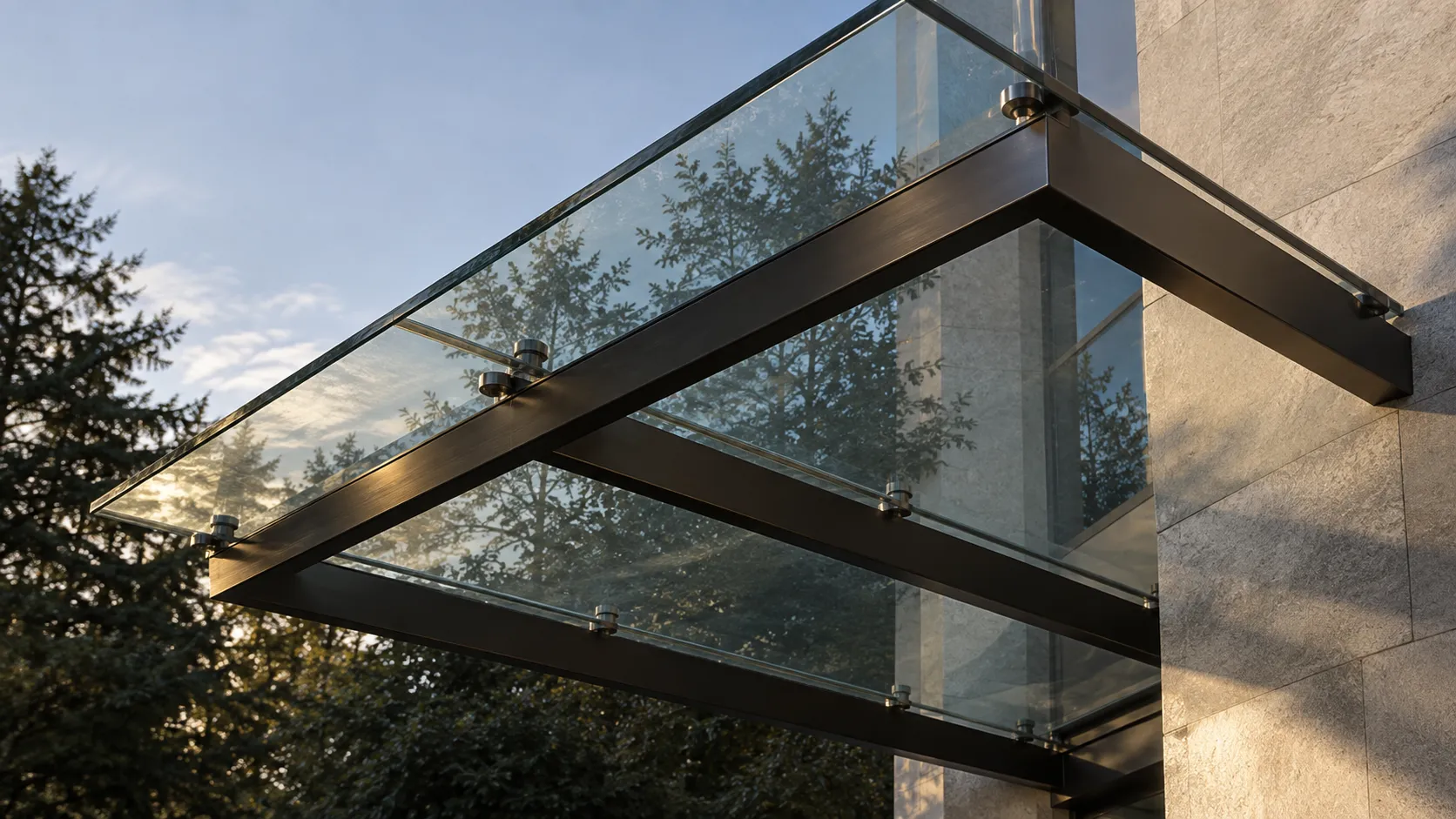
The door slams or snaps shut too fast
Fast swing usually means the closer is out of adjustment, failing internally, or fighting related issues elsewhere in the opening.
A leaking closer or slamming door needs more than a guess at the adjustment screws. We inspect the closing cycle and related hardware, then recommend adjustment or replacement.
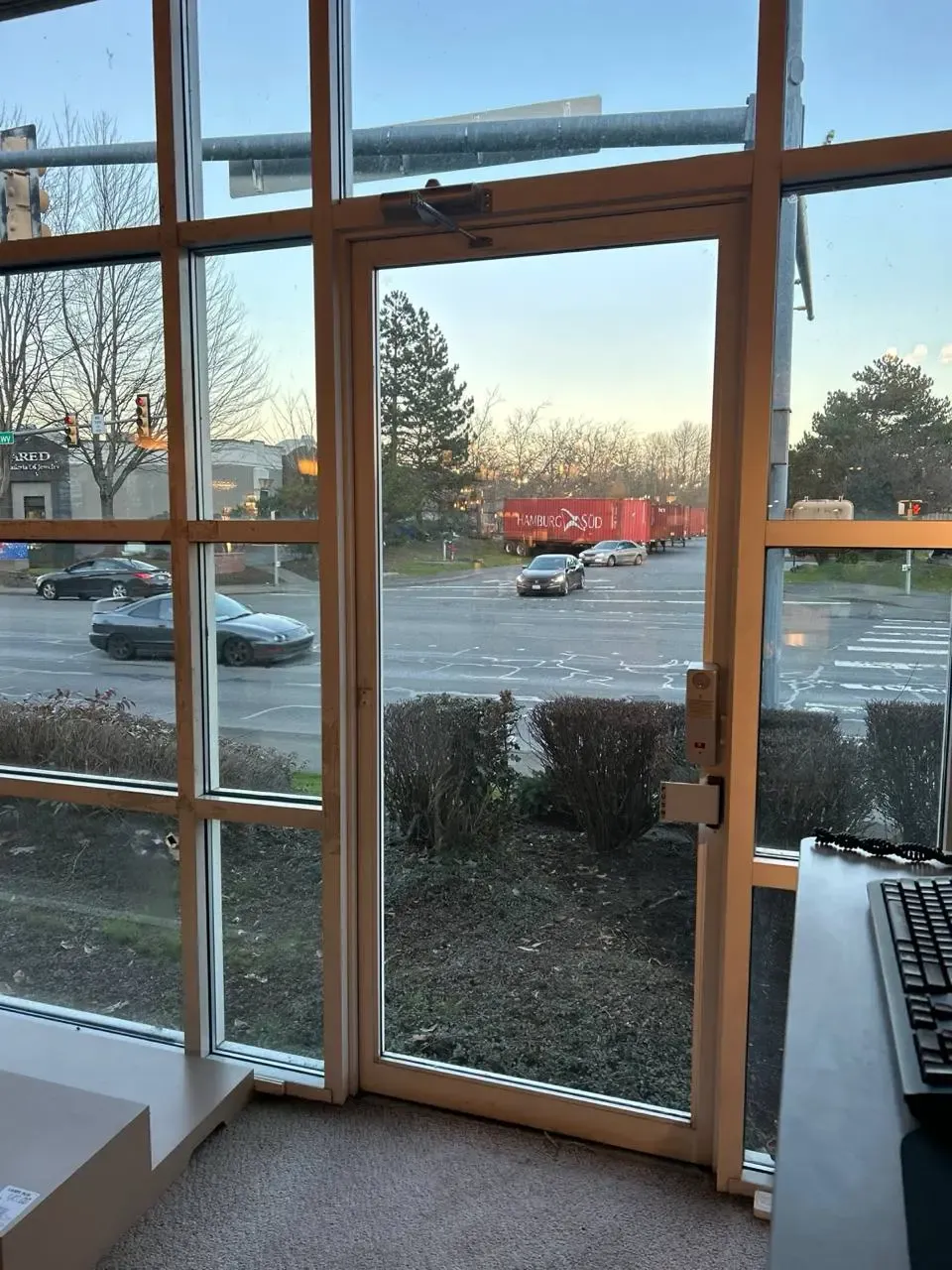
A closer affects swing speed, latching and the effort needed to use a door. We inspect the closer body, arm, fasteners and settings, then check for related pivot wear, latch problems or frame drag. Adjustment helps only when the hardware remains suitable for the opening.
Fast swing usually means the closer is out of adjustment, failing internally, or fighting related issues elsewhere in the opening.
Visible hydraulic leakage is often a sign the closer is past a simple tune-up and may need replacement.
If the closer cannot complete the latch cycle, the problem may involve settings, closer force, strike alignment, or other hardware drag.
A closer that is out of tune can create accessibility complaints and wear other hardware faster, especially at busy building entries.
We inspect the closer body, arm and fasteners, then watch the swing and final latch. Hydraulic leakage can point to replacement rather than adjustment. Pivot wear, frame drag or a misaligned strike can also interrupt the closing cycle.
A closer adjustment is appropriate only when the hardware and the rest of the opening allow it. The photos show hardware context, not a diagnosed fault.
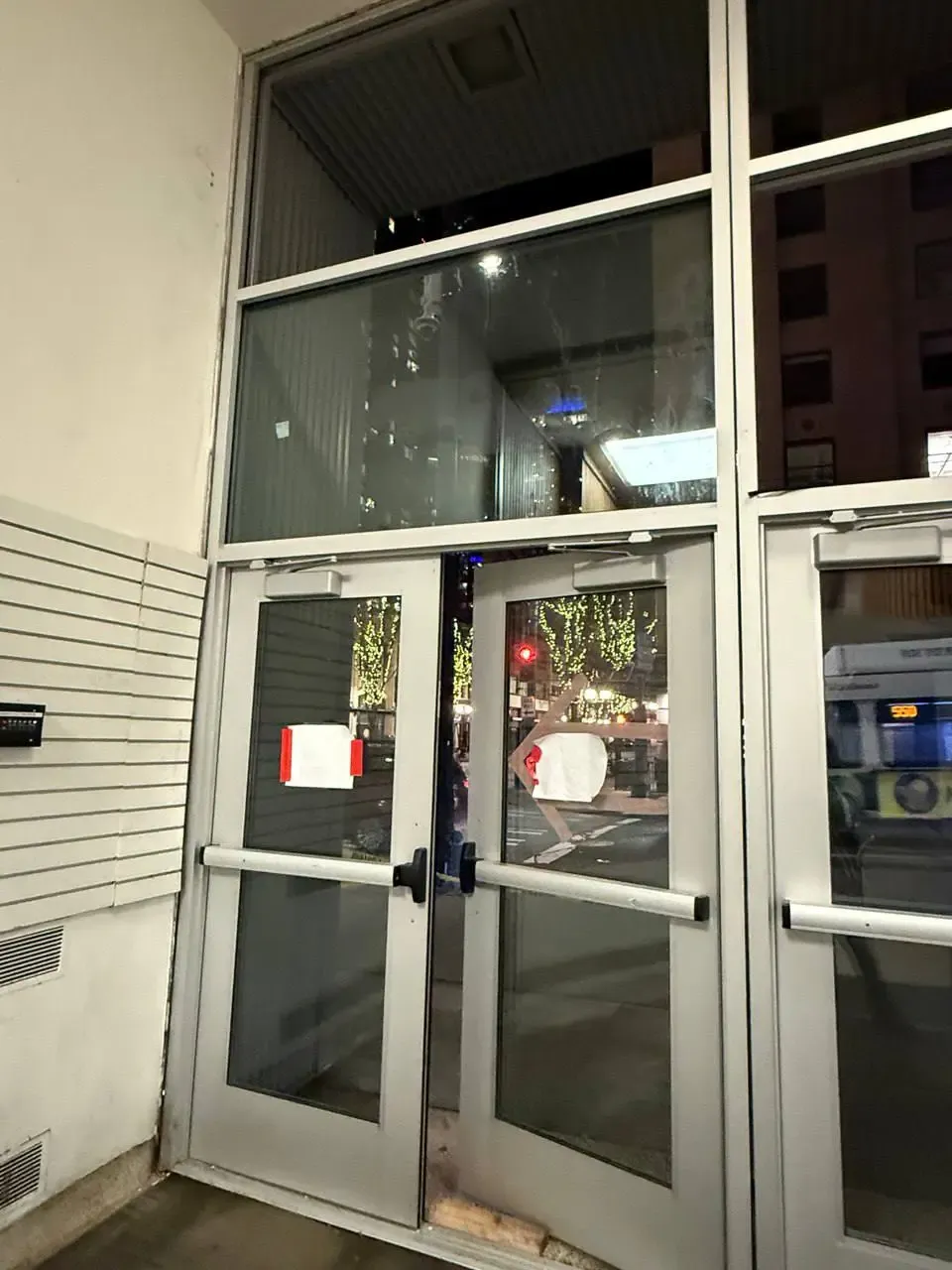
Send an inquiry describing the slam, leak or missed latch. Our team will clarify the symptoms and door use, then normally email an estimate or proposal. The inspection determines whether adjustment or replacement is appropriate.
Our full processWe inspect the closer, arm, fasteners, swing path, latch behavior, and related hardware so the root cause is clear.
You get a clear plan covering adjustment, repair, or replacement, plus notes on the rest of the opening when those conditions affect the closer.
We calibrate, repair, or replace the closer and then test the swing, close, and latch cycle with the entry in real operating conditions.
We review the completed setup, note what changed, and leave the building team with a clearer picture of the entry's condition.
Sometimes adjustment is possible, but visible hydraulic leakage often means the closer is nearing the end of its useful life and replacement should be discussed.
Yes. We can fine-tune closer speed, control, and latch behavior when the closer and the rest of the opening still allow proper adjustment.
That is part of the inspection. Closer complaints often overlap with pivot wear, latch alignment, frame drag, or hardware stress elsewhere in the opening.
Yes. When a closer is worn out or unsuitable for the opening, we review a replacement that fits the door and its use.
Yes. High-traffic entries benefit from routine inspection before a closer leak, slam, or missed latch turns into a larger operational issue.
For planned work, send an inquiry. Call if the property cannot be secured.
Estimates and proposals normally follow by email.
Have a question before requesting a quote? Open a chat with our team.
Share your city or ZIP code and a short description.
Sending a request does not book an appointment. We will confirm the details and next step with you.
You can also request a quote by phone or email.
You do not need the closer model to start an inquiry. Tell us whether the door slams, leaks or stops before it latches.
All commercial glass servicesWith your permission, we save advertising identifiers and the page you arrived on for up to 30 days in this browser. If you request a quote, we include these details with your inquiry so we can connect advertising to completed jobs.
Your choice does not affect requesting a quote. This controls Glassma's inquiry attribution. You can change it here at any time; changing it does not remove details already submitted.